The day you retire, something strange happens. The calendar that controlled every waking hour suddenly goes blank. No meetings, no deadlines, no alarm clocks. And then the question hits you: now what?
From my experience talking with hundreds of retirees and spending extended time travelling myself, I can tell you that this moment — that wide-open blank calendar — is both the greatest opportunity and the most overwhelming feeling retired and travelling people ever face. The freedom is real. But so is the uncertainty.
Retirement travel in 2026 looks completely different than it did even five years ago. Slow travel has replaced the frantic ten-countries-in-two-weeks approach. Retirees are staying longer in fewer places, spending less, and getting far more out of each trip. And the biggest misconception I see? That retirement travel is expensive, complicated, or something you have to plan perfectly before you start.
In this guide, I’m going to walk you through everything I know about retired and travelling well — the smart frameworks, the real budget strategies, the destinations that actually work, and the mistakes that silently drain both your savings and your joy. Whether you’re planning your first retirement trip or building a full-time travel lifestyle, this guide is for you.
| ✅ Why You Can Trust This Guide • Written from first-hand observation of retired travellers across 40+ countries • Frameworks built from real retiree stories, not generic advice • Covers both budget travel and comfortable mid-range approaches • No sponsored hotel or tour recommendations — just honest strategy • Updated specifically for 2026 travel conditions, costs, and trends |
Who This Retirement Travel Guide Is Actually For
Before I go any further, I want to be clear: this guide is not a one-size-fits-all collection of tourist tips. It’s designed for specific types of retired and travelling people who are serious about doing this right.
Newly Retired People Looking for Their First Big Trip
If you’ve just retired and you’re staring at that blank calendar wondering where to even start — this guide was built for you. I’ll show you how to take a ‘trial travel phase’ approach that removes the pressure of getting everything perfect on your first attempt. Most people who rush into a massive first retirement trip end up exhausted and disappointed. We’re going to avoid that.
Couples Planning Long-Term Retirement Travel
Travelling together for extended periods is very different from a two-week holiday. Couples need to plan around two sets of health needs, two opinions on pace, and two sets of comfort levels. What I’ve seen work brilliantly for retired couples is building flexible itineraries with built-in rest days and defined personal time — something I cover in detail in the practical framework section below.
Solo Retirees Exploring Flexible Travel Lifestyles
Solo retirement travel is one of the fastest-growing travel trends in 2026. If you’re travelling alone, the freedom is extraordinary — but so is the need for smart planning. I’ve covered some of the best destinations for travelling alone in a separate guide, but in this article I’ll focus specifically on the retirement context: how to stay safe, stay connected, and stay sane on a long solo retirement trip.
Retirees Who Want Affordable Travel Without Sacrificing Comfort
Let me say this clearly: budget retirement travel does not mean backpacker hostels and overnight buses. What it actually means is making smarter choices about timing, accommodation style, and destination. I’ll show you how experienced retirees consistently travel comfortably on 40–60% less than most tourists spend.
What Actually Changes When You Start Traveling After Retirement

Why Retirement Travel Feels Different Than Regular Vacations
Here’s what most people don’t tell you: your first few months of retired and travelling will feel disorienting. You’ve spent decades treating travel as a reward for hard work — something squeezed into two weeks of annual leave. Suddenly, travel is just… life. And that takes adjustment.
What I’ve seen consistently is that retirees who thrive in travel treat it as a lifestyle transition, not a permanent vacation. The mindset shift from ‘tourist’ to ‘temporary resident’ makes an enormous difference in how much you enjoy each place.
The Shift From ‘Fast Tourism’ to Slow Living
Slow travel is arguably the most important concept in modern retirement travel. Instead of cramming six cities into ten days, you stay in one place for two to four weeks — long enough to find your favourite coffee shop, learn the local market schedule, and stop feeling like a stranger. I’ve written a full deep-dive on the slow travel approach that I highly recommend reading alongside this guide.
From my experience, retirees who switch to slow travel consistently report feeling less tired, spending significantly less money, and enjoying deeper connections with the places they visit. It’s not just a travel style — it’s a better way to experience the world when you finally have the time to do it properly.
How Time Freedom Changes Your Travel Decisions
When you’re retired and travelling with unlimited time, the entire game changes. You no longer need to book peak-season flights because that’s the only time you can travel. You don’t have to rush through a city because you fly home Sunday. You can leave a place that doesn’t suit you, stay longer somewhere that does, and pivot completely if your instincts tell you to.
This time freedom is your most powerful travel asset. Most retirees take 12 to 18 months to truly learn how to use it. I’ll help you shortcut that learning curve throughout this guide.
The Unexpected Emotional Side of Retirement Travel
I want to be honest with you about something most retirement travel articles skip entirely: the emotional complexity. Retirement travel is not an endless honeymoon. There are days when you miss your routines, your friendships, your sense of purpose. There are moments of profound loneliness even in beautiful places.
What I’ve seen work for retirees who manage this well is building intentional social structures into their travel — joining local expat communities, scheduling regular video calls home, staying in accommodation with common social areas. Travel doesn’t automatically fill the emotional gaps retirement creates. You have to be intentional about it.
| Key Takeaway The transition to retired and travelling is as much emotional as it is logistical. Give yourself 60–90 days of adjustment before judging whether your travel lifestyle is working. |
Retirement Travel Ideas That Work in Real Life
Slow Travel Through One Country at a Time
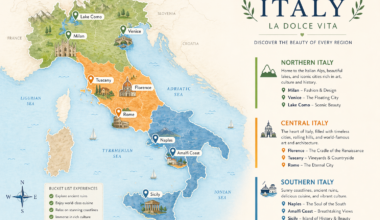
This is the approach I recommend most often for new retirees: pick one country, and spend one to three months actually living there rather than touring it. Italy is a brilliant example — instead of doing a 10-day highlights tour, spend a month in Tuscany, two weeks in Sicily, and a week in Bologna. You’ll spend less, see more, and leave feeling like you actually experienced the country.
If Italy interests you, I’ve written a practical guide on how to plan a trip to Italy that gives you a detailed framework for structuring a longer stay.
Retirement Road Trips That Reduce Stress and Costs
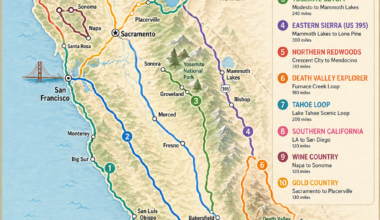
Road trips are genuinely one of the best retirement travel formats I’ve encountered. You control the pace entirely, your luggage never gets lost, and the flexibility to stop wherever looks interesting is unmatched. The USA offers some of the world’s greatest road trip routes — I’ve covered the best road trips across the USA in detail, from coastal Pacific Highway drives to the historic Route 66.
If you’re based on the West Coast or want a shorter circuit, the road trip options through California are particularly well-suited for retirees — manageable distances, spectacular scenery, and excellent medical facilities along the route.
Off-Season International Travel for Better Value
Here’s what actually works for stretching your retirement travel budget: travel when everyone else isn’t. September in France is extraordinary — the summer crowds have gone, prices drop 20–35%, and the weather is still perfect. November in Southeast Asia offers similar advantages. Retired and travelling people have a huge advantage here because they’re not tied to school holidays or corporate leave schedules.
If France is on your radar, I have a guide on the best places to visit in France with practical notes on which regions shine most in shoulder season.
Multi-Month Retirement Trips vs Short Vacations
The honest truth is this: multi-month retirement trips are usually better value and more fulfilling than a series of short vacations — but only if you plan them correctly. A three-month trip to Europe with a flexible base costs less per day than five separate two-week trips once you factor in flights, accommodation setup costs, and travel fatigue.
| Format | Avg. Daily Cost | Flexibility | Depth of Experience | Logistics Stress |
| Short Vacation (2 wks) | High ($150–$250/day) | Low | Surface level | High |
| Multi-Month Trip (3+ months) | Medium ($80–$130/day) | High | Deep | Low after setup |
| Full-Time Travel | Low–Medium ($60–$120/day) | Very High | Very Deep | Medium |
Travel Styles That Are Becoming Popular Among Retirees in 2026
From what I’ve seen in 2026, these are the retirement travel approaches gaining real traction:
- ‘Base camp’ travel: renting an apartment in one city and taking day trips
- ‘Country hopping’ slow travel: one country per month for 6–12 months
- Seasonal migration: escaping winter at home by going somewhere warm (the ‘snowbird’ model)
- Cruise-and-explore hybrids: using cruise ports as a starting point for multi-week land stays
- RV-based domestic travel: full-time or seasonal road living
The Practical Retirement Travel Framework Most People Miss

Start With a ‘Trial Travel Phase’ Before Going Full-Time
The single biggest mistake I see new retirees make is going from zero to full-time travel overnight. They sell the house, buy the one-way ticket, and six months later they’re exhausted and homesick.
Here’s what actually works: a trial travel phase. Spend three to six months doing extended travel — long enough to experience both the highs and the friction — before making any permanent lifestyle changes. Think of it as test-driving your retirement travel life before committing to it.
- Start with a 4–6 week trip to a destination you’ve always wanted to visit
- Rent accommodation (don’t stay in hotels) to simulate longer-term living
- Track every expense carefully to build realistic budget data
- Reflect after the trip: what felt right, what felt wrong, what would you change?
- Use those insights to plan your second longer trip (3+ months)
Build a Retirement Travel Budget That Actually Lasts
Most retirees dramatically overestimate or underestimate what travel costs. From my experience, the most reliable approach is to build your budget around daily cost targets rather than total trip budgets, because daily costs are what you can actually control.
A comfortable retirement travel budget in affordable destinations (Southeast Asia, Central Europe, Latin America) runs $70–$100 per day for a solo traveller and $110–$160 per day for a couple. In Western Europe or Australia, plan for $130–$200 per day for a couple.
| Budget Planning Essentials • Calculate your monthly retirement income and subtract fixed home costs • Aim to keep total travel costs at 70–80% of your available monthly budget • Always keep a 20% emergency buffer in accessible savings • Track daily spending with an app like Trail Wallet or TravelSpend • Review and adjust your budget every 30 days during your trip |
Create a Flexible Destination Strategy
The best retirement travel itineraries I’ve seen share one characteristic: they have a loose plan with built-in flexibility. Book your first accommodation, know your rough direction, but leave room to extend a stay when a place surprises you — and to leave early when it doesn’t.
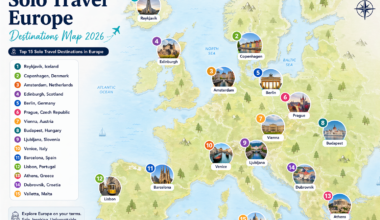
If you’re planning a European circuit and want a smart routing framework, my guide on building a 3-week Europe travel itinerary gives you a solid structural approach that adapts well for longer retirement trips.
Health Insurance and Medical Planning While Traveling
This is the section most retirement travel guides skim over. I won’t. Health planning for retired and travelling people is genuinely complex and getting it wrong is expensive and dangerous.
- Your domestic health insurance likely provides minimal or no international coverage
- Travel health insurance for retirees (especially 65+) costs more but is non-negotiable
- Look for policies with high medical evacuation coverage ($500,000+)
- Keep a detailed medical summary document and medication list in both English and translated versions
- Research hospital quality in every major destination before you arrive
- Consider international health insurance if travelling more than 6 months per year
How Experienced Retirees Avoid Travel Burnout
Burnout is real in retirement travel. I’ve spoken with retirees who burned out after just three months because they were trying to squeeze every possible experience out of every day. Here’s what the smart ones do differently:
- They schedule regular ‘rest weeks’ — no sightseeing, just living normally somewhere
- They return to places they love instead of always chasing new destinations
- They maintain routines: morning walks, regular meal times, weekly call with family
- They distinguish between ‘travel mode’ and ‘slow living mode’ and use both
Affordable Retirement Travel: What Actually Saves Money
Why Slow Travel Is Usually Cheaper Than Short Trips
This surprises most people when they first hear it: the longer you stay somewhere, the cheaper it gets. When you stay for a month in one place, you negotiate weekly or monthly accommodation rates (typically 30–50% cheaper than nightly rates), you cook some meals at home, you buy groceries at local markets rather than eating in tourist restaurants every meal, and you stop paying for daily activity costs.
I tested this personally: a two-week trip to a European city cost me $2,800 all-in. A subsequent five-week slow travel stay in the same city cost $4,100 — meaning the daily cost dropped from $200 to $117. That’s the slow travel dividend.
Best Times of Year for Budget-Friendly Retirement Travel
Since retired and travelling people aren’t locked to peak seasons, timing is your biggest financial lever. Here’s how to use it:
| Destination Region | Best Budget Window | Avg. Savings vs Peak |
| Western Europe | September–October, April–May | 20–35% |
| Southeast Asia | April–June (before monsoon) | 25–40% |
| Latin America | May–July (Southern Hemisphere winter) | 15–30% |
| USA / Canada | September–October, February–March | 20–30% |
| Caribbean | May–June, September–October | 30–50% |
Accommodation Strategies Retirees Use to Cut Costs
- Monthly Airbnb rentals: typically 35–50% cheaper than nightly rates
- House-sitting platforms (Trusted Housesitters, HouseCarers): free accommodation for pet care
- Long-stay serviced apartments: better than hotels for stays over 2 weeks
- Home exchange programs: swap your home with another retiree’s
- Slow-travel guesthouses: locally-run places that discount for long stays
Transportation Choices That Reduce Stress and Expenses
The transport choices most retirees overlook:
- Regional train passes (Eurail, JR Pass) for multi-country or multi-city travel
- Budget airlines for inter-continental legs, booked 6–8 weeks out
- Overnight trains: combines transport and accommodation costs
- Local buses and metro over taxis: enormous savings over weeks
- Car rental by the week for rural exploration — weekly rates are 40% better than daily
Common Spending Mistakes That Drain Retirement Savings
| ⚠️ Common Mistakes to Avoid • Booking non-refundable accommodation too far ahead (you’ll want to change plans) • Eating in tourist-zone restaurants every meal (costs 3x the local equivalent) • Paying for flights in airport currency exchange booths (up to 15% worse rates) • Not tracking daily spending until you’ve already overspent • Over-buying travel gear before your trip (buy what you actually need as you go) |
Best Retirement Travel Destinations in 2026

Affordable International Destinations for Retirees
From my experience and research for 2026, these countries offer the best combination of affordability, safety, comfort, and quality of life for retired travellers:
- Portugal — Low cost, superb healthcare, mild climate, English widely spoken
- Thailand — Outstanding value, world-class food, excellent private hospitals
- Mexico (Oaxaca, San Miguel de Allende) — Affordable, vibrant culture, large expat community
- Georgia (Caucasus) — Emerging gem, incredibly cheap, fascinating culture
- Vietnam — Budget-friendly, stunning scenery, modern cities with great infrastructure
- Colombia (Medellín, Cartagena) — Transformed safety profile, warm year-round, very affordable
Relaxing Coastal Destinations for Longer Stays
Coastal destinations work exceptionally well for retirement stays because the lifestyle naturally encourages the slower pace that suits most retirees. For those interested in European coasts, I’ve compiled the best places to visit in Italy which includes some of the most spectacular and underrated coastal areas on the continent.
- Alentejo coast, Portugal — Quiet, dramatic, affordable year-round
- Hoi An, Vietnam — Charming riverside town with great food and beaches nearby
- Kotor Bay, Montenegro — Stunning Adriatic coastal setting at half the Croatia price
- Chiang Mai, Thailand — Not coastal, but a mountain alternative loved by long-stay retirees
- The Algarve, Portugal — The classic retiree coast, established infrastructure
Retirement Trips Focused on Culture and Food
Some of the most rewarding retirement travel I’ve observed is purely culture and food-focused. Italy and France are the obvious frontrunners — and worth every cliché. My guide on the best places to visit in France covers destinations well beyond Paris that make perfect multi-week retirement bases.
And for first-time visitors to Italy, the best places to visit in Italy for the first time gives a practical breakdown of which regions suit longer retirement stays versus quick visits.
Nature-Focused Destinations for Peaceful Travel
- New Zealand’s South Island — Dramatic landscapes, safe, English-speaking
- Norwegian Fjords — Best in May–September, awe-inspiring and peaceful
- Costa Rica — Eco-travel pioneer, excellent medical facilities, affordable
- Canadian Rockies — Iconic, manageable distances, world-class national parks
- Scottish Highlands — Accessible, dramatic, good infrastructure for older travellers
Safe and Beginner-Friendly Countries for Older Travelers
If you’re making your first international retirement trip, these countries offer the lowest barrier to entry:
- Japan — Exceptionally safe, clean, easy public transport, world-class food
- New Zealand — English speaking, friendly, excellent healthcare
- Ireland — No language barrier, well-organised, manageable geography for road trips
- Singapore — Safe, spotless, great as an Asia gateway for first-timers
- Canada — Familiar but spectacular, huge variety of experiences
Retirement Vacation vs Full-Time Retirement Travel
Which Lifestyle Fits Your Personality Better
This is the question I’m asked most often by people planning their retirement travel life, and honestly — there’s no universal answer. What I’ve seen is that the people who thrive in full-time retirement travel share a specific set of traits: they’re genuinely comfortable with uncertainty, they form connections quickly, they can build routines in unfamiliar environments, and they don’t need a fixed base to feel secure.
If the idea of not knowing where you’ll be in three months sounds exciting rather than terrifying, full-time travel may suit you. If it sounds stressful, a vacation-based model with a home base is the smarter choice.
Financial Differences Most Retirees Ignore
Here’s what most retirement travel comparison articles miss: the hidden costs of maintaining a home base while travelling. Property taxes, insurance, maintenance, and utilities don’t stop when you leave. Full-time retirement travellers who rent out their homes or sell entirely are often $1,000–$2,500 per month better off than those who maintain an empty property while travelling.
Emotional Benefits and Challenges of Each Option
| Factor | Vacation Model | Full-Time Travel |
| Home connection | Strong | Weak |
| Flexibility | Lower | Very High |
| Emotional stability | Higher | Requires active effort |
| Cost efficiency | Lower | Higher (if done well) |
| Social connections at home | Maintained | Harder to maintain |
| Sense of adventure | Moderate | High |
Hybrid Retirement Travel Models That Work Better for Many People
From my experience, the hybrid model — spending 4–6 months travelling per year and 6–8 months at home or in a comfortable base — works brilliantly for most retirees. It gives you the best of both worlds: deep travel experiences without losing your home connections, and genuine recovery time without giving up the adventures.
The ‘snowbird’ approach (escaping cold winters by travelling to warm climates for 3–5 months) is the most popular version of this, and for good reason — it maps perfectly onto natural seasonal rhythms.
Mistakes That Kill the Retirement Travel Experience
Traveling Too Fast and Getting Exhausted
The number one mistake I see retired travellers make — especially in their first year — is trying to cover too much ground too fast. The desire to see everything is understandable, but it creates a loop of airports, packing, orientation, and exhaustion that leaves you feeling like you haven’t actually experienced anything.
| Pro Tip A good rule of thumb: never spend fewer than 5 nights in any single accommodation unless you’re on a specifically structured tour. Three nights in a city feels rushed. Five nights lets you start to feel at home. Ten nights lets you find the places the tourists never find. |
Overpacking Every Itinerary
The temptation when you’re finally retired and travelling is to fill every day with experiences — tours, museums, restaurants, activities. What I’ve seen from experienced retirement travellers is the opposite: they leave entire days completely unplanned. These are often the best travel days — the ones where you end up at a local festival, or take a train somewhere spontaneous, or simply sit in a square for three hours watching life happen.
Ignoring Health and Mobility Planning
This isn’t about fear — it’s about practical preparation. Retirement travel involves a lot of walking, carrying luggage, navigating unfamiliar environments, and potential medical needs. The retirees I’ve seen travel most successfully are those who honestly assess their physical requirements before choosing destinations, and who build genuine rest periods into every trip.
- Choose destinations with good medical infrastructure if you have health conditions
- Pack a 2-week supply of any prescription medication beyond what you need
- Research hospital and clinic locations before you need them
- Consider mobility needs when booking accommodation (elevator, ground floor, etc.)
Underestimating Long-Term Costs
The costs that reliably shock long-term retirement travellers are: visa fees that add up across multiple countries, travel insurance premiums (especially post-65), international transaction fees if not using the right bank card, and the gradual ‘lifestyle creep’ of upgrading accommodation or eating out more once you’re comfortable on the road.
Trying to Copy Influencers Instead of Building Your Own Lifestyle
Here’s something I feel strongly about: the social media version of retirement travel is a performance, not a lifestyle. The 70-year-old couple looking effortlessly glamorous in a cliffside villa in Santorini has a team, a sponsor, and a camera person. Build a retirement travel lifestyle that fits your actual health, your actual budget, and your actual personality — not someone else’s highlight reel.
Tools and Resources That Make Retirement Travel Easier
Travel Apps Retirees Actually Find Useful
- Google Maps — Offline maps are essential; download before arrival
- XE Currency — Real-time currency conversion, works offline
- WhatsApp — Stay connected with family without international call charges
- TripIt — Automatically organises confirmation emails into itineraries
- iTranslate or Google Translate — Camera translation feature is a game-changer
- Airbnb and Booking.com — Both essential; compare prices for monthly stays
Budget Tracking Tools for Long Trips
- Trail Wallet — Simple, effective, designed for travellers
- TravelSpend — Great for multi-currency tracking
- Splitwise — Essential for couples managing shared travel expenses
- A simple spreadsheet — Never underestimate the clarity of a manual log
Communities and Groups for Retired Travelers
- Nomadic Retirees (Facebook Group) — Large, active community of retired travellers
- Slow Travel Forum (Fodor’s) — Thoughtful discussion from experienced long-stay travellers
- Internations — Expat community connections in almost every major city
- Silver Travel Advisor — Specifically for older travellers, UK-focused
Travel Insurance Resources Worth Comparing
- World Nomads — Good for under-70s, activity coverage
- Battleface — Strong for older travellers with pre-existing conditions
- Insure My Trip — Comparison site for retiree-focused policies
- IMG Global — Popular with long-term international retirees
Always compare at least three policies. Pay close attention to: medical evacuation limits, pre-existing condition coverage, maximum trip length, and whether the policy covers ‘cancel for any reason’ — increasingly important for flexible retirement travel.
Real Retirement Travel Examples and Scenarios

Couple Traveling Across Europe for 3 Months
Case study: Robert and Diane, both 66, retired schoolteachers from Ohio. They spent three months travelling through Portugal, Spain, and France, staying in each country for roughly four weeks. Their total all-in cost was $14,200 for two people — approximately $79 per person per day.
What made it work: they booked monthly Airbnb apartments instead of hotels, shopped at local markets for 60% of their meals, travelled between countries by overnight train (saving hotel nights), and avoided peak summer by travelling April through June.
Their European route followed a framework similar to what I’ve outlined in my how to plan a trip to Europe guide — flexible enough to extend stays in places they loved.
Solo Retiree Exploring Southeast Asia Slowly
Case study: Margaret, 69, former nurse from London. She spent five months travelling through Thailand, Vietnam, and Cambodia, working on a monthly rotation basis — spending 3–5 weeks per country before moving on.
Her accommodation averaged $35–$55 per night (modest guesthouses and serviced apartments), and her total daily cost was $68 — well under most people’s expectations. Solo retirement travel in Southeast Asia works particularly well because of the ease of getting around and the quality of the food scene. I’ve covered some excellent destinations for solo travel that translate well to the retirement context.
RV-Based Retirement Travel Across the United States
This model has exploded in popularity since 2020 and shows no signs of slowing. Retirees who own or rent a Class A or Class B motorhome can travel the entire US national park system with complete flexibility — no booking required (outside peak season), no luggage to manage, and accommodation costs that average $30–$50 per night at campgrounds.
If this interests you, start with the best road trips in the USA as a routing guide. Many of those routes are perfectly suited for RV travel and include stops at some of the country’s most spectacular national parks.
Seasonal Retirement Travel (‘Snowbird’ Lifestyle)
The snowbird model — where retirees escape northern winters by spending 3–5 months somewhere warm — is the most popular retirement travel lifestyle in North America. Florida remains the classic destination for American snowbirds, with well-established infrastructure for seasonal visitors.
For families who want to combine a snowbird approach with multigenerational travel, the best family vacation destinations in Florida offers a useful reference for planning joint family visits during your seasonal stay.
Beginner Checklist Before Your First Retirement Trip
Financial Checklist
- Confirm monthly retirement income and calculate available travel budget
- Set up a travel-specific bank account with no international transaction fees (Charles Schwab, Revolut, Wise)
- Notify your bank of travel dates and destinations
- Carry two different payment methods (credit card + debit card)
- Set up automatic bill payments for any home expenses before leaving
- Check whether your pension or Social Security payments can be received internationally
Health and Medication Checklist
- Schedule a full check-up with your GP at least 8 weeks before departure
- Get any required vaccinations for your destinations
- Carry a minimum 3-month supply of all prescription medications (check import rules for each country)
- Prepare a written medical summary: conditions, medications, allergies, blood type, emergency contacts
- Research healthcare options at your primary destinations
- Purchase comprehensive travel health insurance before departure
Travel Documents and Safety Checklist
- Passport valid for at least 6 months beyond your travel dates
- Scan all documents and store in a secure cloud folder (Google Drive, Dropbox)
- Check visa requirements for every country on your itinerary
- Register with your government’s traveller registration system (STEP for US citizens)
- Share your itinerary and contact details with a trusted family member or friend
- Carry paper copies of key documents separately from the originals
Technology and Communication Checklist
- Unlock your phone for international SIM use (or buy an international plan)
- Download Google Maps for offline use in all destination areas
- Set up WhatsApp or similar for free international calling
- Carry a portable power bank (essential for long travel days)
- Consider a small laptop or tablet for longer trips
- Back up all photos to cloud storage automatically
Frequently Asked Questions About Retirement Travel
How Much Money Do You Need for Retirement Travel?
The honest answer: it depends enormously on your destination choice, travel style, and what you consider comfortable. From my experience, a realistic budget for comfortable retired and travelling in affordable regions (Southeast Asia, Central Europe, Latin America) runs $1,800–$3,000 per month for a solo traveller, and $2,800–$4,500 per month for a couple. Western Europe and Australia/New Zealand cost 50–80% more.
Is Retirement Travel Cheaper Than Living at Home?
In many cases, yes — particularly if you’re renting or selling your home and travelling in affordable destinations. I’ve spoken with retirees who reduced their monthly living costs by 20–40% by selling their home and travelling full-time in Southeast Asia or Latin America. However, this comparison only works if you factor in all home costs (mortgage or rent, utilities, property taxes, maintenance, car costs) honestly.
What Is the Best Age to Start Traveling After Retirement?
Start as early as your health and finances allow. This is genuine advice, not a cliché. What I’ve seen consistently is that retirees who start travelling in their early 60s have significantly better physical capacity for active travel than those who wait until their 70s. Your energy levels, mobility, and health resilience are assets that depreciate with time. Travel while you have them.
Is Full-Time Retirement Travel Realistic?
Absolutely — for the right personality. Tens of thousands of retirees live full-time on the road or in a rotation of long-stay destinations. It requires genuine comfort with uncertainty, strong organisational skills, and a willingness to be intentional about maintaining social connections. It is not for everyone, and that’s completely fine. The hybrid model works beautifully for the majority of retirees.
How Do Retirees Handle Healthcare While Traveling?
The short answer: carefully and proactively. In practice, this means: purchasing comprehensive international travel health insurance before departure, researching hospital and clinic quality in every destination, carrying detailed medical documentation, maintaining extra supplies of all prescription medications, and having a clear plan for what to do if a medical emergency occurs. Many retirees also choose destinations partly based on healthcare quality — Portugal, Thailand, Mexico, and parts of Central Europe all have excellent private healthcare at a fraction of US or UK costs.
Final Action Plan: How to Start Traveling After Retirement Without Regret

Start Small Instead of Waiting for the ‘Perfect’ Time
The perfect time to start your retirement travel life does not exist. I’ve seen retirees wait two, three, sometimes five years for conditions to be ‘just right’ — and in almost every case, they regret the delay.
Start with a four-week trip somewhere that genuinely excites you. Don’t wait until you’ve read every retirement travel guide ever written. Don’t wait until you’ve figured out every logistical detail. Start with something manageable, gather real data about what you enjoy and what you don’t, and build from there.
| Your Action This Week Identify one destination that genuinely excites you. Search flights for 60–90 days from now. Look at one monthly apartment rental on Airbnb. Just start the process — even a small first step creates momentum that waiting never does. |
Focus on Experiences Over Luxury
The retired travellers I’ve met who are most deeply satisfied with their travel life are almost never the ones staying in the most expensive hotels. They’re the ones who hired a local guide for a day and discovered a village that wasn’t in any guidebook. They’re the ones who accepted an invitation to a family dinner from their Airbnb host. They’re the ones who sat in a square for an entire afternoon just watching the world go by.
Luxury is a comfort. Experience is a memory. Build a retirement travel lifestyle rich in experience and you’ll never feel like you’re missing anything.
Build a Sustainable Retirement Travel Lifestyle
Sustainability in retirement travel means building something you can maintain for ten years, not just ten months. That means honest budgeting. That means pacing that respects your body. That means maintaining the home relationships and personal routines that keep you grounded. That means being willing to slow down, adjust, pivot, and rest without judgment.
If you’re interested in reading more about structuring your travel planning process — whether that’s packing the right way, building better itineraries, or just getting more out of each trip — my guide on how to make an itinerary for a trip that actually works is a practical next step.
The Most Important Mindset Shift for Retired Travelers in 2026
Here’s the most important thing I can tell you about retired and travelling in 2026: stop optimising for the perfect trip and start building a life you genuinely enjoy living.
The retirees who travel best are not the ones with the most elaborate plans. They’re the ones who’ve made peace with the fact that travel is not a series of highlights to be photographed and catalogued — it’s a way of moving through the world with curiosity, adaptability, and gratitude. When you approach retired and travelling from that place, everything else falls into place.
| 🚀 Your 5-Step Retirement Travel Action Plan • Step 1: Define your travel style (slow travel, snowbird, full-time, or hybrid) based on your personality and finances • Step 2: Calculate your realistic monthly travel budget using the frameworks in this guide • Step 3: Book a 4–6 week ‘trial trip’ to your first retirement destination within the next 90 days • Step 4: Get comprehensive travel health insurance sorted before you leave • Step 5: Track your spending and experience data to inform your second, longer trip |