Introduction
I still remember staring at a map of Italy for almost two weeks before my first trip — completely paralyzed. Do I start in Rome? Is Venice worth it? What about the Amalfi Coast? I had ten days, unlimited enthusiasm, and absolutely no clarity on where to actually begin.
That’s the most common problem I see with first-time travelers to Italy. They either try to cram in everything and burn out by day four — or they choose the wrong city for their travel style and come home feeling like they missed something. Both outcomes are completely avoidable.
Italy is one of the most visited countries in the world for a reason. The history, the food, the architecture, the coastlines — it genuinely delivers on every front. However, the key to having an incredible first trip is choosing the right base, building a logical route, and not overloading your itinerary.
In this guide, I’m going to walk you through exactly where to go in Italy for the first time, which cities make the most sense for different travel styles, and how to plan a trip that actually feels good — not exhausting. Whether you’re planning a 5-day sprint or a 10-day deep dive, I’ve got you covered.
Quick Note: This guide is built specifically for first-time visitors to Italy. If you’ve already been and want deeper regional experiences, some advice here will differ from what I’d tell a returning traveler.
Quick Answer — Where Should You Go First in Italy?
If you’re pressed for time and just need a fast, reliable answer — here it is. For most first-time visitors, Rome is the single best city to start with. It’s historically rich, logistically straightforward, and delivers an immediate sense of what makes Italy special. However, your ideal first destination also depends heavily on what kind of traveler you are.
The Top 3 Destinations That Work for Almost Everyone
After years of traveling through Italy and helping friends plan their first trips, I’ve found that three cities consistently deliver for first-timers regardless of travel style:
- Rome — For culture, history, and iconic landmarks that actually live up to the hype
- Florence — For art lovers, food enthusiasts, and anyone who wants a walkable, manageable city
- The Amalfi Coast — For those who want scenic beauty and a more relaxed, romantic pace
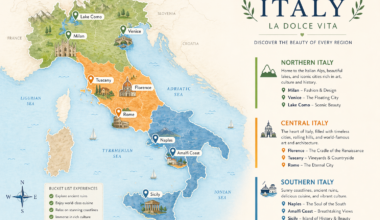
These three aren’t just popular — they’re genuinely excellent starting points. Each offers something distinct, and together they form what experienced Italy travelers often call the ‘Golden Triangle‘ of first-timer experiences.
Best Choice Based on Travel Style (History, Food, Scenic, Relaxation)
| Travel Style | Best First Destination | Why It Works |
| History & Culture | Rome | Colosseum, Vatican, Pantheon — all within walking distance |
| Art & Food | Florence | Uffizi Gallery, Mercato Centrale, stunning architecture |
| Scenic Beauty | Amalfi Coast | Dramatic cliffs, turquoise water, postcard-perfect villages |
| Relaxation & Romance | Tuscany / Positano | Slower pace, wine country, intimate atmosphere |
| Modern + Shopping | Milan | Fashion, design, efficient transport hub |
| Unique Experience | Venice | Unmatched anywhere in the world — but plan carefully |
If You Only Have 5–7 Days — What Actually Works
I’ve seen this mistake dozens of times: someone books a 5-day Italy trip and builds an itinerary that covers Rome, Florence, Venice, and the Amalfi Coast. That’s not a trip — that’s a sprint that leaves you exhausted and under-experiencing every destination.
For a 5-7 day first trip, my honest recommendation is to pick two cities maximum. Rome + Florence is the ideal pairing. You get world-class history in Rome and world-class art and food in Florence, connected by a fast 1.5-hour train. That’s it. Don’t add more cities to impress people back home — you’ll enjoy it far more if you slow down.
Who This Guide Is For
Before diving into the specifics, it helps to know whether this resource matches your situation. I wrote this guide for a very specific type of traveler, and being honest about that will save you time.
First-Time International Travelers
If Italy is your first or second international trip ever, this guide is squarely aimed at you. I’ve kept the advice practical and grounded — no assumptions about prior Europe experience, no jargon, no ‘oh you should definitely rent a car in Sicily’ advice that only makes sense if you’ve already done this before. Everything here is designed to reduce overwhelm and increase confidence.
If you’re still working through the basics of planning a European trip, I’d also recommend checking out this guide on how to plan a trip to Europe — it covers the foundational logistics that make an Italy trip much smoother.
Travelers Visiting Italy for a Short Trip
Most people visiting Italy for the first time don’t have the luxury of a 14-day journey. They’re working with 5, 7, or 10 days at most — and those days need to count. This guide is built around realistic trip lengths, not fantasy itineraries. Every framework I share here is designed to work within real travel constraints.
Families, Couples, and Solo Travelers (How Needs Differ)
The best place to visit in Italy for the first time genuinely depends on who’s traveling with you. A couple looking for romance has different priorities than a family with kids who need museums that hold attention for more than eight minutes. And a solo traveler values ease of navigation and social atmosphere above scenic backdrops.
I’ll cover all three traveler profiles specifically in the travel style section below — so wherever you fall, you’ll find something relevant.
What Actually Works in 2026 for First-Time Italy Trips
Italy travel has shifted noticeably over the past couple of years. Crowd management systems, reservation requirements at major sites, and new tourist regulations have changed how first-timers need to approach their planning. Here’s what actually works right now.
The ‘Golden Route’ Strategy (Rome → Florence → Venice)
The Rome → Florence → Venice route is the most popular first-time Italy itinerary for a reason — it works. It’s logistically seamless, culturally rich, and covers Italy’s three most iconic cities in a single trip. The trains connect all three with no drama: Rome to Florence is 1.5 hours, Florence to Venice is 2 hours.
However, in 2026, Venice has introduced a day-visitor fee for peak periods. That changes the math slightly for short trips. If you’re tight on budget or only have 5 days, I’d actually skip Venice on your first trip and save it for when you have more time to appreciate it. The Golden Route is still excellent — just approach it with realistic expectations about Venice specifically.
One-City vs Multi-City — What Most People Get Wrong
Most first-time travelers dramatically underestimate how much time they need in a single city. They assume they’ll ‘see’ Rome in two days. But Rome is not a museum — it’s a living, layered city that rewards slowness. Two days gives you the checklist. Four days gives you the feeling.
My rule of thumb: give each city at least 2 full days, and ideally 3. For Rome specifically, I recommend 3 nights minimum. That gives you one day for the ancient sites, one for the Vatican, and one for neighborhoods — which is where Italy’s real character lives.
How to Avoid Overplanning Your First Trip
Overplanning is the number one killer of first Italy trips. I’ve done it myself — a packed schedule where every hour had a plan, and zero margin for the spontaneous trattoria down an alley that became the meal of my life.
Leave at least 2–3 unscheduled hours per day. Pre-book time-sensitive attractions like the Vatican and the Colosseum (they sell out weeks in advance). But leave your afternoons and at least one full evening per city completely open. You’ll thank yourself.

Best Places to Visit in Italy for First Timers (Ranked by Experience)
Let me walk you through each of the top destinations in honest, practical terms — not tourist brochure language. I’ve spent time in all of these places, and I’ll tell you exactly what to expect.
Rome — Best for History, Culture, and First-Time Impact
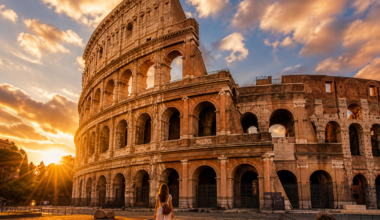
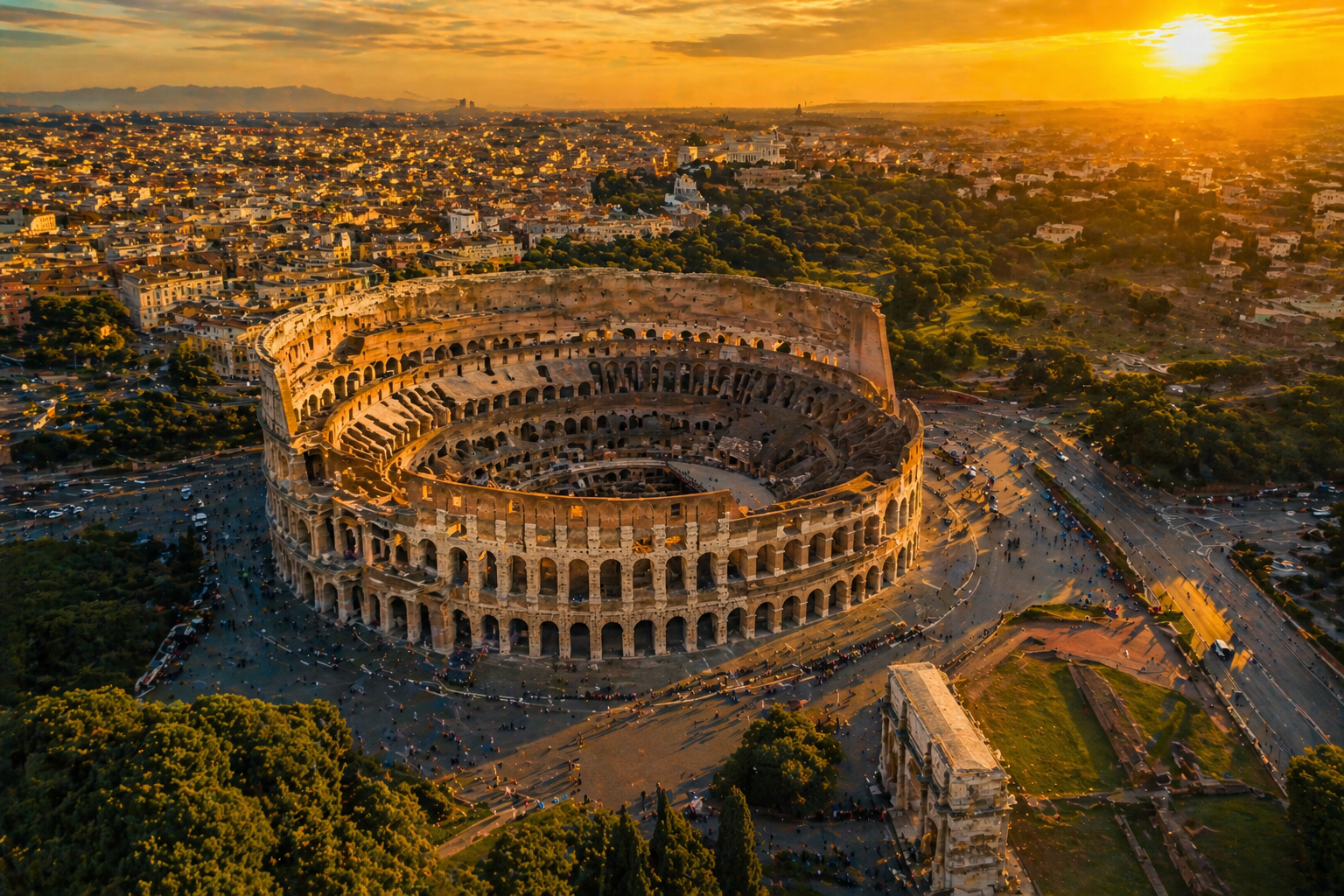
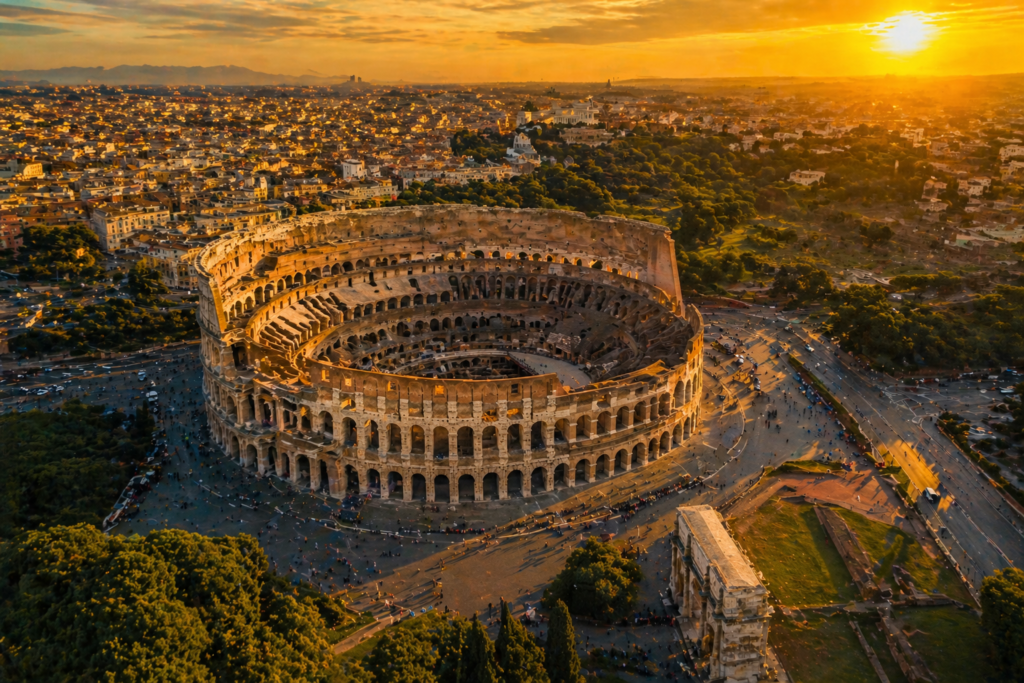
Rome is the most powerful first impression Italy can offer. Nowhere else in the world can you walk from a 2,000-year-old amphitheater to a Renaissance piazza to a Baroque fountain in the span of 30 minutes — and that’s just a casual morning stroll.
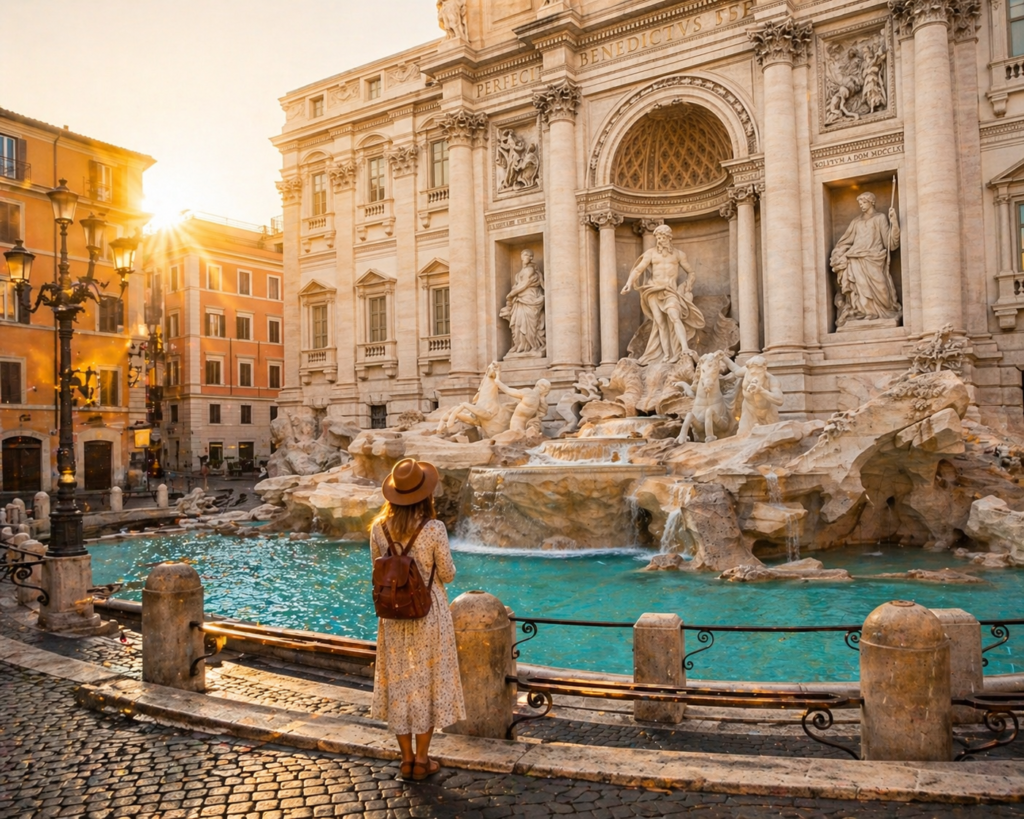
The Colosseum, the Roman Forum, the Pantheon, the Trevi Fountain, Vatican City — Rome’s marquee attractions are famous for good reason. They’re genuinely extraordinary. However, beyond the landmarks, Rome’s neighborhoods are where the city comes alive. Trastevere in the evening, Campo de’ Fiori in the morning, Pigneto for a local coffee — these are the experiences that stay with you.
Rome is also Italy’s most logistically forgiving city for first-timers. It has a functioning metro, walkable center, international airport, and more tourist infrastructure than anywhere else in the country.
Pro Tip: Book Colosseum and Vatican tickets at least 3–4 weeks in advance. These sell out regularly, especially in spring and fall.
Florence — Best for Art, Walkability, and Food
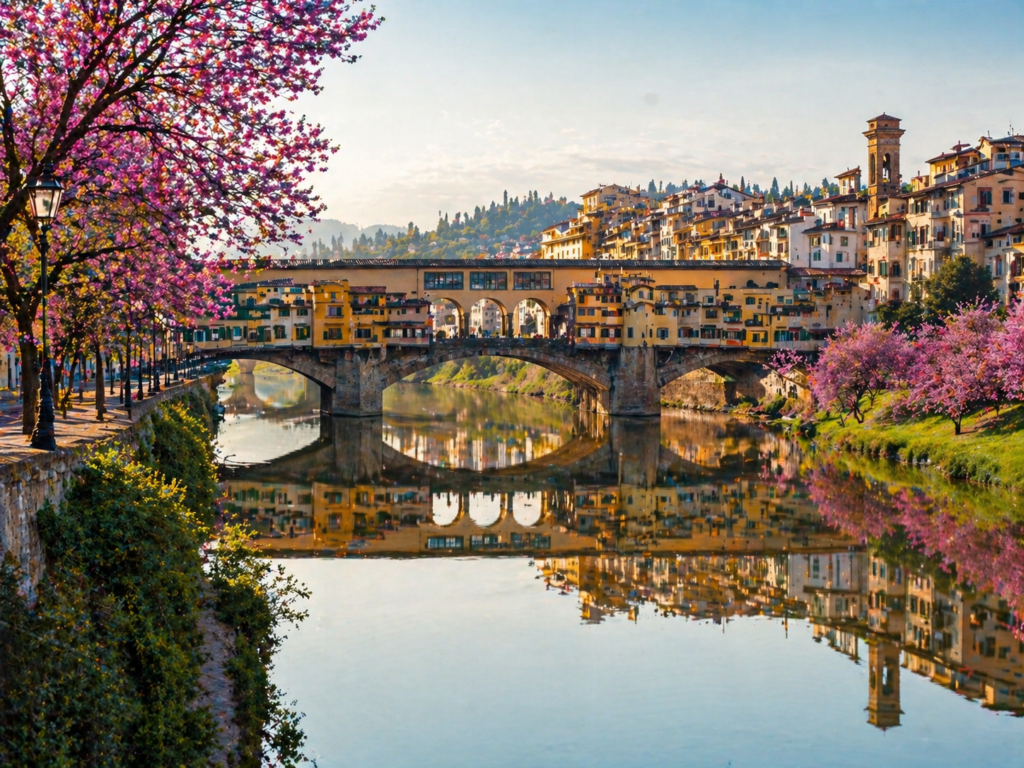
Florence is compact, manageable, and overwhelmingly beautiful. Unlike Rome’s chaotic sprawl, Florence’s historic center is tight enough to walk everywhere — and most of the city’s best experiences are concentrated within a 20-minute radius of the Duomo.
The Uffizi Gallery is among the greatest art museums on the planet. If you have any interest in Renaissance art, Florence is non-negotiable. Beyond the gallery, the city’s food scene is outstanding — particularly the bistecca alla Fiorentina, the lampredotto sandwiches, and the gelato from any serious gelateria (skip the ones with the tall, fluffy piles of color).
Florence is also an ideal base for day trips. Siena, the Chianti wine country, and San Gimignano are all within an hour — giving you easy access to Tuscany’s countryside without changing hotels.
Venice — Best for Unique Experiences
I’ll be upfront: Venice is unlike anywhere else on Earth, and that uniqueness cuts both ways. It’s spectacular. It’s also crowded, expensive, and — in summer — almost unbearably hot and packed. For a first-time trip, Venice is best visited as a 1–2 night stay rather than a base.
The magic of Venice is in the getting lost. Ditch the map (or the GPS) for an afternoon and just wander. The Grand Canal, the Rialto Bridge, St. Mark’s Basilica — yes, see them. But the real Venice reveals itself in the quieter sestieri like Castello and Cannaregio, away from the main tourist drag.
Note that as of 2025-2026, Venice charges a day visitor entry fee during peak periods. Budget accordingly.
Milan — Best for Modern Travel and Shopping
Milan is often underrated as a first-timer destination, but it’s excellent if your interests lean more contemporary. The city is Italy’s fashion and design capital, home to the Last Supper (book months in advance), the magnificent Duomo di Milano, and a buzzing aperitivo culture that rivals anywhere in the country.
Milan is also one of the best European city-break destinations for people who prefer modern infrastructure — clean metro, excellent airport connections, and a cosmopolitan energy that feels different from Rome or Florence. If shopping, design, or fashion are high priorities, Milan belongs near the top of your list.
Amalfi Coast — Best for Scenic Beauty and Relaxation
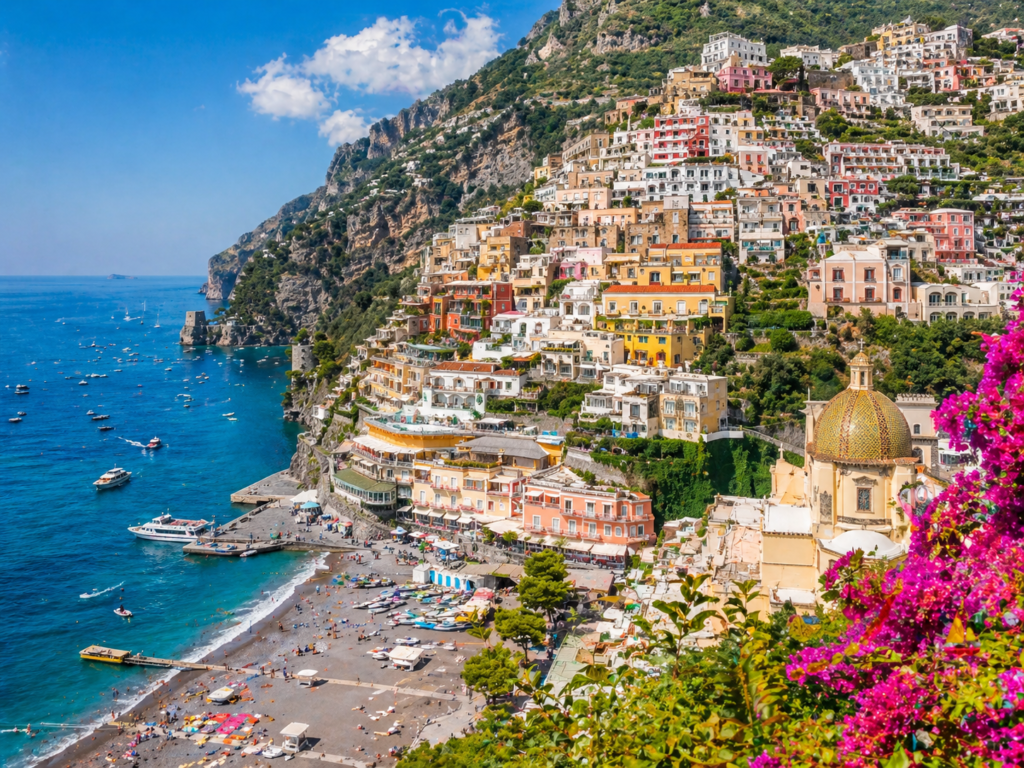
The Amalfi Coast is, quite simply, one of the most beautiful places on earth. The dramatic cliffs, the pastel-colored villages clinging to the hillsides, the deep blue Mediterranean — it genuinely looks like it was designed by someone who wanted to create the ideal romantic backdrop.
However, I want to be honest here: the Amalfi Coast is best experienced after you’ve already ‘done’ the cities. It’s harder to reach, more expensive, and less logistically forgiving than Rome or Florence. For a first trip, I’d treat it as a reward — either at the end of a longer itinerary or as a specific Amalfi-only trip on its own terms.
Which City Should You Visit First in Italy (Comparison Guide)
Rome vs Florence — Which Is Better for First-Time Visitors?
This is the most common first-timer dilemma I hear. Both cities are exceptional — but they offer very different experiences.
| Factor | Rome | Florence |
| Size & Scale | Large, sprawling city | Compact, walkable historic center |
| Top Draw | Colosseum, Vatican, Pantheon | Uffizi Gallery, Duomo, Ponte Vecchio |
| Food Scene | Roman classics: carbonara, cacio e pepe, supplì | Tuscan: steak, ribollita, local wine |
| Ease of Navigation | Metro + walking — moderate complexity | Almost entirely walkable — very easy |
| Crowds | Very busy year-round | Busy but more manageable |
| Cost | Moderate | Moderate-High |
| Best For | History, culture, first-time impact | Art, food, slower pace, day trips |
| Recommended Stay | 3–4 nights | 2–3 nights |
My honest take: if you can only pick one, start with Rome. The sheer scale of its history is unmatched and creates a powerful emotional context for the rest of Italy. Florence is then an excellent follow-up — and at 1.5 hours by train, it’s a natural next step.
Venice vs Milan — Experience vs Convenience
These two cities are different enough that the ‘vs’ framing barely applies. Venice is one of the most unique travel experiences on earth — but it comes with logistical complexity and expense. Milan is modern, efficient, and excellent for a specific type of traveler who values contemporary culture, shopping, and design over Renaissance history.
For most first-time visitors, Venice edges out Milan for the sheer ‘I can’t believe this place exists’ factor. However, if you’re arriving or departing from northern Italy, Milan is a genuinely excellent place to start or end a trip — especially with 1–2 nights.
Coastal vs City Experience — What Fits You Better
This is really the fundamental question underneath all the specific city debates. Italy offers two completely different types of travel experiences: the urban cultural circuit (Rome, Florence, Venice, Milan) and the coastal/countryside escape (Amalfi, Cinque Terre, Tuscany, Sicily).
For a first trip, I almost always recommend leading with the cities. The cultural foundations of Rome and Florence give you a richer context for everything else Italy has to offer — and they’re logistically straightforward. You can always come back for the coast, and you absolutely will want to.
Best Places Based on Travel Style
Best Place to Visit in Italy with Kids
Traveling with kids in Italy is genuinely wonderful — Italians are famously family-friendly, and the country has a lot to offer younger travelers beyond dusty museums.
Rome is actually excellent with kids, particularly the Colosseum (gladiator history fascinates most children) and the Borghese Gallery (which has beautiful grounds for running around). Florence’s science museum, the Museo Galileo, is a hidden gem for curious kids. Positano and the Amalfi Coast are beautiful but logistically challenging with strollers and young children — save those for when they’re older.
For broader family travel inspiration across Europe, including destinations that pair well with Italy, take a look at this resource on the best family vacation destinations in Europe.
- Rome — Colosseum, Borghese Gallery, gelato, pizza (universal wins)
- Florence — Galileo Museum, Piazzale Michelangelo, accessible scale
- Lake Garda — Water parks, swimming, boat rides, family-resort infrastructure
- Sicily — Beaches, outdoor adventure, ancient Greek ruins (older kids)
Best Places in Italy for Couples
Italy is one of the most romantic destinations in the world — and while the cliché is true, some places deliver on it far better than others for couples specifically.
Venice remains iconic for couples despite its crowds. A gondola ride on a quiet canal at sunset is genuinely magical, and the city’s intimacy — no cars, just footsteps and water — creates a romantic atmosphere you simply cannot replicate elsewhere. Positano on the Amalfi Coast is equally spectacular for romance, with its cliff-hanging restaurants and private beach clubs.
For couples who prefer a more low-key luxury experience, Tuscany’s agriturismo farmhouses offer a slow, wine-soaked escape that rivals anything in Venice for intimacy. For more ideas on luxury travel through Europe, this guide to the best luxury travel destinations in Europe has some excellent pairings for an Italian honeymoon or anniversary trip.
Best Places in Italy for Young Adults and Social Travel
If you’re a young adult traveler — especially a solo traveler — Italy has a surprisingly strong social scene that most people don’t anticipate going in.
Rome and Florence both have excellent hostel cultures, walkable neighborhoods, and a nightlife scene centered more around aperitivo and late dinners than clubs. Bologna (often overlooked on first-time itineraries) is a university city with some of Italy’s best food and a genuinely local, energetic atmosphere — worth considering if you want to go slightly off the beaten path.
If you’re doing Italy as part of a broader solo adventure through Europe, this guide to solo travel Europe destinations has some great context for how Italy fits into a longer trip.
Best Time to Visit Italy (Month-by-Month Strategy)
Spring (March–May) — Balanced Weather and Fewer Crowds
In my experience, spring is the best overall time to visit Italy for the first time. March through May brings mild temperatures (15–22°C / 60–72°F), manageable crowds compared to summer, and genuinely beautiful conditions across all major cities. The landscapes are green, wildflowers are blooming in Tuscany, and Rome’s outdoor spaces are at their most pleasant.
April and May are the sweet spots — the Easter holiday period can spike crowds temporarily, so be aware of that specific week. However, outside of Easter, mid-April to mid-May is arguably the best window of the entire year.
- Best for: Rome, Florence, Tuscany, Cinque Terre
- Temperatures: 15–24°C (59–75°F)
- Crowds: Moderate and very manageable
- Cost: Moderate — slightly lower than peak summer
Summer (June–August) — Peak Travel and Tourist Pressure
Summer is when Italy gets genuinely overwhelming in the most-visited destinations. Rome and Venice in July and August are hot, crowded, and expensive. If you’re visiting for the first time in summer, I’d strongly advise going in June (before schools close) and targeting southern destinations — Puglia, Sicily, Sardinia — which handle summer heat better and have the sea as a relief valve.
That said, summer has one major advantage: everything is open, every event is running, and the energy is electric. If you can handle the crowds, it’s not a bad time — just go in with realistic expectations and book everything (accommodation, trains, attraction tickets) months in advance.
Fall (September–November) — Best Overall Experience
September and October are, without question, the best months to visit Italy for the first time if you can choose freely. The heat has softened, the summer crowds have thinned significantly, and the country is in harvest season — meaning the food and wine are at their absolute peak. Truffle season, grape harvests, chestnut festivals — Italy in autumn is extraordinary.
November is the beginning of the quiet season and brings occasional rain, but it’s genuinely pleasant for city exploration. December is a different story — see below.
- Best for: All major cities, Tuscany (wine country harvest), Amalfi Coast (still warm but much quieter)
- Temperatures: 18–26°C in September, cooling to 12–18°C in November
- Crowds: Low to moderate — significantly better than summer
- Cost: Moderate — good value, especially in October–November
Winter (December–February) — Cheapest and Quietest Travel
Winter is Italy’s secret season for budget travelers. Flights and accommodation drop significantly, lines at major attractions almost disappear, and the cities have an intimate, local quality that summer completely erases. Rome and Florence in January are genuinely wonderful if you don’t mind cooler temperatures (8–12°C / 46–54°F) and the occasional grey day.
December is actually a beautiful time in Italy if you visit for the Christmas markets and festive atmosphere — especially in Rome and Florence. The week between Christmas and New Year is busy again, but January and February are the quietest months of the year.
- Best for: Rome, Florence, Milan (fashion week / design week), Naples
- Avoid: Amalfi Coast (many places close), Cinque Terre (limited access)
- Cost: Lowest of the year — excellent value
Cheapest Places to Visit in Italy (Budget Travel Strategy)
Affordable Cities That Still Deliver Great Experience
Italy has a reputation as an expensive destination — and while that’s true in Venice and on the Amalfi Coast, it’s significantly overstated for the country as a whole. There are genuinely affordable Italian cities that deliver outstanding experiences without the premium price tag.
| City / Region | Budget Level | Why It’s Worth It |
| Naples | Low | Best pizza on earth, incredible history, raw authentic energy |
| Bologna | Low-Medium | Food capital of Italy, university city, undervisited and excellent |
| Genoa | Low | Underrated old town, beautiful port, excellent seafood |
| Palermo (Sicily) | Low | Street food paradise, Arabic-Norman architecture, stunning beaches nearby |
| Matera | Medium | UNESCO cave city, extraordinary and visually unlike anywhere else |
| Rome (budget approach) | Medium | Big city but many free attractions — many piazzas, churches, and parks cost nothing |
How to Save Money Without Ruining Your Trip
Budget travel in Italy is absolutely achievable — but it requires a few specific strategies. I’ve done low-cost Italy trips multiple times and the difference between a frugal trip and a miserable trip comes down to making smart choices, not cutting everything.
- Travel by train, not by plane within Italy — Trenitalia’s Regionale trains are a fraction of the cost of Italo or Frecciarossa and perfectly comfortable for shorter distances
- Eat lunch at a tavola calda (local cafeteria-style restaurant) instead of sit-down restaurants — same quality, half the price
- Buy groceries for breakfast — Italian supermarkets have excellent fresh bread, pastries, and coffee supplies
- Stay slightly outside the historic center — 10–15 minutes by metro or bus saves 30–50% on accommodation
- Book attractions in advance to avoid ‘skip the line’ ticket upsells which are often twice the entry price
- Aperitivo culture — in many northern Italian cities, one drink gets you access to a full spread of free food during the 6–8pm aperitivo hour
Common Budget Mistakes First-Time Travelers Make
- Buying bottled water constantly — carry a refillable bottle and use Italy’s free drinking fountains (nasoni in Rome), which are everywhere
- Taking taxis instead of learning the bus or metro
- Eating at restaurants directly adjacent to major tourist attractions — these almost universally charge double for mediocre food
- Booking non-refundable accommodation months out without flexibility — prices often drop closer to travel dates in shoulder and off seasons
Where to Stay in Italy for the First Time
Best Areas to Stay in Rome for First-Time Tourists
Where you stay in Rome has a huge impact on your experience. The city is large, and some neighborhoods are significantly better positioned for first-time visitors than others.
| Neighborhood | Best For | Vibe | Notes |
| Trastevere | Character, nightlife, dining | Charming, cobblestoned, lively | Slightly far from ancient sites but worth it |
| Centro Storico | Convenience to all landmarks | Central, busy, touristy | Best overall location for first-timers |
| Monti | Local feel, boutiques, nightlife | Trendy, residential, historic | Between Colosseum and Termini — great balance |
| Prati | Near Vatican, quieter streets | Upscale, local, residential | Excellent for Vatican-heavy itineraries |
| Near Termini | Budget travel, train access | Functional, busy, mixed | Practical but less atmospheric |
City Center vs Outside — What Actually Saves Time
I’ve stayed both inside and outside Rome’s historic center, and my honest assessment is this: for a first-time visit of 5–7 days, staying in or very near the historic center is worth the premium. You’ll save 30–45 minutes of commuting per day, you can walk home after dinner at midnight, and the spontaneous discoveries happen far more easily when you’re embedded in the city.
For longer trips or repeat visits, the calculus changes — neighborhoods like Pigneto or Ostiense offer a more local experience at lower prices. But for a first trip, location over cost.
Hotel vs Airbnb vs Boutique Stay — What Works Best
For first-time Italy travelers, hotels generally offer advantages that Airbnb doesn’t — particularly in terms of support, local recommendations, and the freedom to arrive at any time without coordinating with a host. That said, for stays of 5+ nights in Florence or smaller towns, a well-reviewed Airbnb can offer a wonderfully local apartment experience at competitive prices.
Boutique hotels are the sweet spot if budget allows — they combine personal service with unique character, often in beautiful historic buildings. For a honeymoon or anniversary trip, a boutique hotel in Florence or a cliff-side hotel on the Amalfi Coast is genuinely transformative.
Step-by-Step Framework — How to Plan Your First Trip to Italy
Step 1 — Choose Your Entry City Smartly
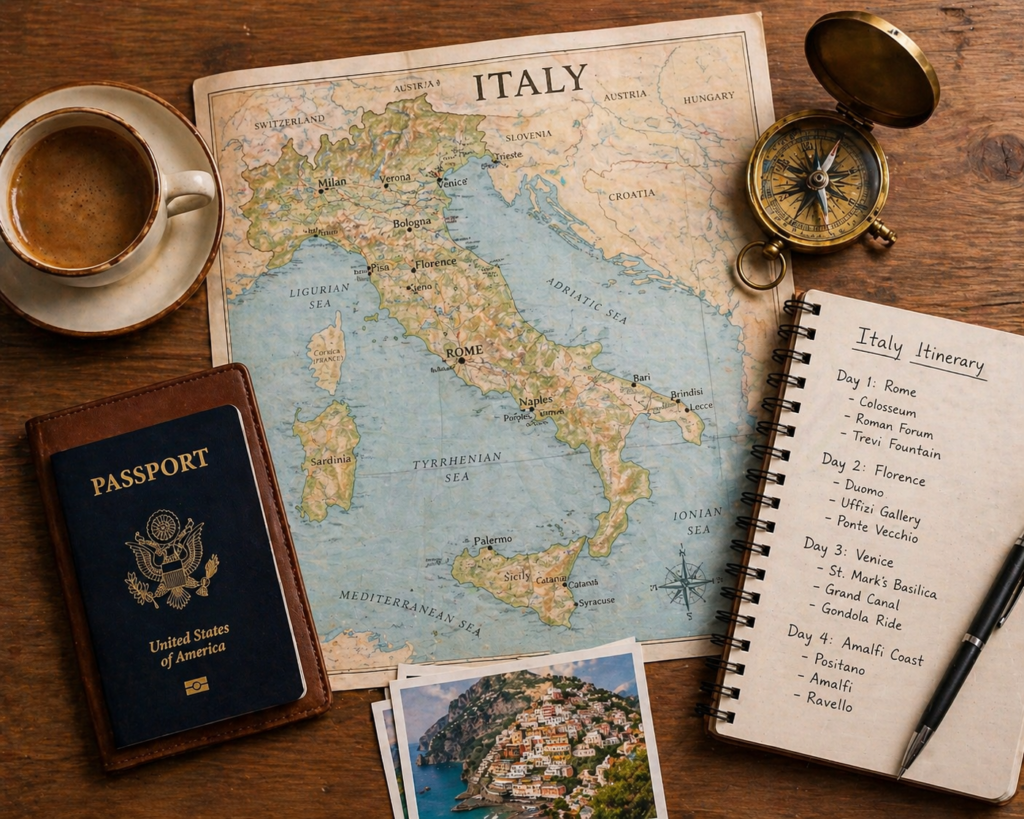
Your first decision is where you fly into — and this should be driven by flight cost and convenience, not romance. Rome’s Fiumicino (FCO) and Milan’s Malpensa (MXP) are Italy’s two main international hubs. Both are excellent entry points. If flight prices are similar, fly into Rome — it’s the natural starting point for the Golden Route and gives you the most impactful opening to your trip.
Step 2 — Decide Number of Cities (Avoid Overpacking)
Based on your trip length, here’s my recommended city count:
| Trip Length | Recommended Cities | Suggested Route |
| 5 days | 2 cities | Rome (3 nights) + Florence (2 nights) |
| 7 days | 2–3 cities | Rome (3) + Florence (2) + Venice (2) OR Rome (4) + Amalfi (3) |
| 10 days | 3–4 cities | Rome (3) + Florence (2) + Venice (2) + one more (3) |
| 14 days | 4–5 cities | Full Golden Route + coastal or regional extension |
Step 3 — Build a Logical Travel Route
Italy’s geography is long and narrow — plan routes that move in one direction rather than zig-zagging back and forth. The most efficient first-time route runs south to north: fly into Rome, take the train to Florence, then continue to Venice or Milan, and fly home. This avoids backtracking and minimizes train time.
Step 4 — Book Accommodation Based on Location Strategy
Once your cities are confirmed, book accommodation in the central neighborhoods identified above. For peak season (April–June, September–October), book 6–8 weeks in advance for the best selection. And If I speak for summer, book 3–4 months ahead. For winter, you often have flexibility right up to 2–3 weeks before.
Step 5 — Plan Activities Without Overloading
My rule: plan one major attraction per morning and leave afternoons flexible. For Italy’s most popular sites — Vatican Museums, Uffizi Gallery, Colosseum — book online in advance. For everything else, let the day guide you. Italy is one of those destinations where the unplanned moments are often the best ones.
Real Travel Scenarios (What Actually Works)
5-Day Italy Trip Plan (Simple & Efficient)
- Day 1: Arrive Rome, settle in, evening walk through Centro Storico (Pantheon, Piazza Navona)
- Day 2: Ancient Rome — Colosseum, Roman Forum, Palatine Hill (pre-booked)
- Day 3: Vatican Museums and St. Peter’s Basilica (pre-booked, go early)
- Day 4: Train to Florence (morning), Ponte Vecchio, Piazza della Signoria, Uffizi exterior
- Day 5: Uffizi Gallery (pre-booked), Mercato Centrale, Piazzale Michelangelo, departure
This 5-day plan is tight but achievable. The key is pre-booking the Colosseum and Vatican. Without those bookings, you’ll lose hours standing in line.
7-Day Italy Itinerary for First Timers
Days 1–3: Rome — Ancient sites, Vatican, Trastevere evenings, local neighborhoods
- Day 4: Florence — Train in the morning, Duomo, Ponte Vecchio, Oltrarno neighborhood
- Day 5: Florence — Uffizi Gallery, Mercato Centrale, day trip to Siena (optional)
- Day 6: Venice — Train from Florence, Grand Canal orientation, evening passeggiata
- Day 7: Venice — St. Mark’s Basilica, Dorsoduro neighborhood, departure
10-Day Italy Trip for Full Experience
- Days 1–3: Rome (3 nights) — Full ancient Rome + Vatican + neighborhood exploration
- Days 4–5: Florence (2 nights) — Art, food, Uffizi, day trip to Chianti wine country
- Days 6–7: Venice (2 nights) — Grand Canal, Murano glass island, getting gloriously lost
- Days 8–10: Amalfi Coast (3 nights) — Positano base, Ravello day trip, boat to Capri
The 10-day plan is what I consider the ideal first Italy trip — enough time to breathe in each destination without rushing, and the Amalfi ending gives you a spectacular finale.
Common Mistakes That Kill First-Time Italy Trips
Trying to Visit Too Many Cities
I cannot stress this enough. I’ve watched people try to do Rome, Florence, Venice, Cinque Terre, the Amalfi Coast, and Milan in 8 days — and come home exhausted, having barely experienced any of them. Italy is not a country to sprint through. It rewards slowness. Pick fewer places and go deeper. You’ll have a far better trip.
Ignoring Travel Time Between Cities
People see a map of Italy and think it looks compact. It’s not. Naples to Venice is nearly 5 hours by high-speed train. Rome to the Amalfi Coast involves a train to Naples, a regional train to Salerno, and then a ferry or bus — that’s a full travel day. Factor actual transit time into every itinerary, and always add a buffer. Italian trains are generally punctual, but not always.
Visiting Only Tourist Spots Without Local Experiences
The Colosseum is extraordinary. So is the Trevi Fountain. But Italy’s deepest pleasures are found in neighborhood bars where locals drink their morning espresso standing up, in markets where you buy cheese and eat it on a bench, in Sunday afternoon piazzas where entire communities gather for no particular reason. Leave room for those moments. They’re the ones you’ll remember longest.
Choosing the Wrong Season
Visiting Rome in August as a first-timer, without air conditioning in your hotel and with peak crowds at every site, will shape your entire perception of Italy. Choose your season deliberately based on the advice above. The difference between August and October in the same destination is not marginal — it’s transformative.
Beginner vs Advanced Travel Strategy
What Beginners Should Focus On (Simple + Efficient)
If this is your first time abroad or your first time in Italy, keep things simple. The Golden Route exists because it works — use it. Stick to the major cities, use trains (not cars), stay centrally, and pre-book your two or three marquee attractions. That’s genuinely enough to have a life-changing trip.
Don’t try to optimize every detail. Italy has a way of taking care of first-time travelers who show up with an open heart. Focus on being present rather than being productive.
| Beginner Strategy | Advanced Strategy |
| Rome + Florence, maybe Venice | Skip Venice in favor of lesser-known gems (Bologna, Puglia, Matera) |
| Stay centrally in each city | Mix city center with local neighborhood stays |
| Pre-book all major attractions | Research local festivals and seasonal events to plan around them |
| High-speed trains between cities | Mix trains with regional buses and ferries for coastal areas |
| Classic Italian dishes at reliable restaurants | Seek out specific regional specialties and local osterias |
| 5–7 day trip | 12–14 days, slower pace, fewer cities |
How Experienced Travelers Explore Italy Differently
Experienced Italy travelers tend to skip the Golden Route entirely on return visits. They head south to Puglia’s whitewashed trulli, to Basilicata’s ancient Matera, to Sicily’s Greek temples and volcanic landscapes. Also they rent cars (which I don’t recommend for first-timers) and drive the back roads of Umbria and Le Marche. They book agriturismo farmhouses instead of city hotels.
The lesson for first-timers: Rome and Florence are not the ‘tourist Italy’ and the ‘real Italy’ somewhere else. They are genuinely extraordinary places. Enjoy them fully. The deeper regions will still be there when you come back.
Tools & Resources That Make Planning Easier
Best Tools for Booking Flights and Trains
- Google Flights — Best starting point for flight price comparison and alerts
- Skyscanner — Useful for flexible date searches and ‘everywhere’ destination browsing
- Trenitalia (trenitalia.com) — Official Italian national rail booking; always book direct
- Italo Trains (italotreno.it) — High-speed private rail alternative; sometimes cheaper than Trenitalia on specific routes
- Omio — Good aggregator for cross-country European train and bus routes
Travel Apps for Navigation and Planning
- Google Maps — Offline maps are invaluable in Italy; download before you go
- Maps.me — Better offline maps detail in some smaller towns
- TripIt — Organizes all your bookings into a single itinerary automatically
- Rome2rio — Excellent for visualizing transport options between any two points in Italy
- TheFork (La Fourche) — Restaurant reservations across Italy, often with discounts
Budget Tracking and Itinerary Tools
- Trail Wallet or Spendesk — Simple daily budget tracking while traveling
- Notion or Google Docs — Build your itinerary with links, addresses, and booking confirmations all in one place
- XE Currency — Real-time currency conversion (useful even in the Eurozone for context)
- Splitwise — Essential for group and couple travel to track shared expenses fairly
Checklist — Plan Your First Italy Trip Without Missing Anything
Pre-Travel Checklist
- Passport valid for at least 6 months beyond travel dates
- EU/Schengen visa confirmed if required for your nationality
- Travel insurance purchased (including medical and trip cancellation)
- Flights booked, confirmation saved offline
- Accommodation confirmed for all nights
- Trenitalia/Italo tickets booked for intercity trains
- Colosseum tickets pre-booked (official site only)
- Vatican Museums tickets pre-booked
- Uffizi Gallery tickets pre-booked (if visiting Florence)
- Notify your bank of international travel
- Download Google Maps offline for each city
- Pack a universal power adapter (Italy uses Type F/L plugs)
Booking Checklist
- Accommodation: booked in central neighborhoods per city
- Train tickets: confirmed and saved as PDFs (offline access)
- Attraction tickets: Colosseum, Vatican, Uffizi — all pre-booked
- Restaurant reservations: at least 1–2 special meals booked in advance
- Airport transfers: confirmed for arrival and departure
On-Ground Travel Checklist
- Carry a physical copy of all accommodation addresses in Italian
- Have cash (Euros) for small purchases, markets, and tips — some small places are still cash-only
- Keep photocopies of passport in a separate bag
- Know the emergency number: 112 (universal EU)
- Try at least one neighborhood outside the tourist center in each city
- Have one unplanned afternoon per city — deliberately
- Eat lunch where locals eat, not where the menu is in 6 languages
FAQ — Best Place to Visit in Italy for the First Time
What is the nicest part of Italy to visit?
This genuinely depends on what ‘nicest’ means to you. For sheer natural beauty, the Amalfi Coast and Tuscany’s rolling hillsides are unmatched. and for cultural richness, Rome and Florence are the clear leaders. For a combination of both — the area around Lake Como in northern Italy delivers extraordinary scenic beauty with easy access to Milan’s cultural offerings. Most travel experts, however, point to Tuscany as the most consistently beautiful and rewarding region for overall experience.
What is the top 3 destination in Italy?
Based on experience and consistent traveler satisfaction data, the top three destinations in Italy are: Rome (for history, landmarks, and first-time impact), Florence (for art, food, and walkability), and the Amalfi Coast (for scenic beauty and romance). Venice is often listed here too, but its complexity and visitor fees push it slightly lower for first-timers specifically.
Where should I go first time in Italy?
Rome. Full stop. It’s the most historically significant city in the Western world, logistically forgiving for first-time international travelers, and offers an emotional impact that genuinely sets the tone for understanding everything else you’ll see in Italy. From Rome, Florence is a natural and easy second stop — then Venice, the coast, or wherever your interests take you.
What is the best first trip to Italy?
The best first trip to Italy is one that doesn’t try to do too much. My ideal first Italy trip is 7–10 days covering Rome (3 nights), Florence (2–3 nights), and one additional destination based on your interests — Venice for uniqueness, the Amalfi Coast for scenery, or Tuscany’s countryside for slow travel. Pre-book your major attractions, stay centrally, and leave meaningful free time every day.
What is the most beautiful place in Italy?
I’ve asked dozens of seasoned Italy travelers this question and the answers vary — but a few places come up consistently: Positano on the Amalfi Coast, the Val d’Orcia countryside in Tuscany (those cypress-lined roads are genuinely otherworldly), the village of Alberobello in Puglia, and Matera, the ancient cave city of Basilicata. For first-timers, Positano or Val d’Orcia are the most accessible ‘most beautiful’ experiences. Both are reachable within a well-planned first trip.
Final Action Plan — Your First Italy Trip Made Simple
Let me bring this all together into three clear paths based on your travel goal. Whatever type of trip you’re planning, there’s a simple starting framework that works.
If You Want the Easiest First Trip
Fly into Rome. Stay 3 nights in the Centro Storico or Monti neighborhood. Pre-book the Colosseum and Vatican. Spend your third day in Rome exploring Trastevere and the Pantheon area. Take the morning train to Florence on day 4. Spend 2 nights there, pre-book the Uffizi, and let the rest of the city reveal itself. Fly home from Florence or return to Rome by train. That’s it. Clean, efficient, deeply satisfying.
If You Want a Balanced Experience
Build a 7–10 day itinerary using the Golden Route: Rome (3 nights) → Florence (2 nights) → Venice (2 nights). Add one extra stop based on interest — Cinque Terre by train from Florence, or a night in Bologna between cities. Use Trenitalia for all intercity travel. Pre-book major attractions. Leave afternoons unscheduled. This itinerary has been delivering excellent first-trip experiences for decades because it balances variety with depth.
If You Want a Unique and Scenic Trip
If the standard Rome-Florence-Venice circuit feels too familiar, consider this: fly into Naples, spend 2 nights exploring Naples and the ruins of Pompeii, transfer to the Amalfi Coast for 3 nights (base in Positano or Ravello), then take a night train or flight to Rome for your final 2 nights before departing. This itinerary leads with extraordinary beauty and history that most first-timers never see — and it’s deeply memorable.
Whatever route you choose: book the big attractions in advance, give each city enough time to breathe, and resist the urge to add one more stop. Italy rewards the traveler who slows down.
Conclusion
Planning your first trip to Italy doesn’t need to be complicated — but it does need to be intentional. The country is genuinely overwhelming in its options, and the biggest mistake most first-timers make is trying to capture all of it at once.
Start with Rome. It’s the most powerful introduction to Italy, the most logistically accessible for first-time international travelers, and it sets an emotional tone for everything that follows. Add Florence for art, food, and a gentler pace. Then let your interests guide the third stop — whether that’s Venice’s canals, Amalfi’s cliffs, or Tuscany’s golden countryside.
I’ve traveled through Italy more times than I can count, and it still surprises me. That’s the real gift of this country — its depth. You can return a dozen times and still find something that takes your breath away. Your first trip is just the beginning.
Italy is waiting. Go enjoy it.